
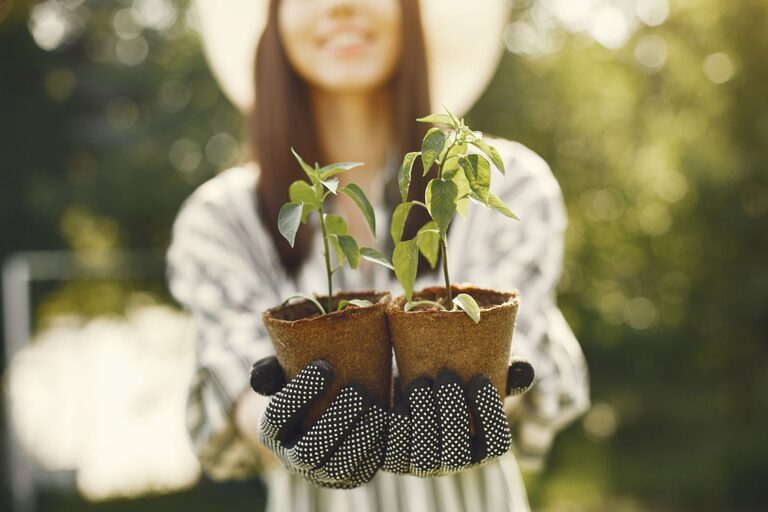
Creating a sustainable and eco-friendly garden at home is a rewarding way to support the environment while enjoying beautiful, healthy outdoor space. With a few mindful choices, you can reduce your garden’s impact on nature, conserve resources, and encourage local wildlife. Whether you have a spacious garden or a small balcony, these practical tips will help you cultivate a greener space.
Choose Native Plants
Native plants are well adapted to the local climate and soil conditions. They require less water, fertiliser, and care compared to non-native species. By selecting native plants:
– You support local wildlife, including pollinators such as bees and butterflies.
– Your garden is more resistant to pests and diseases.
– It promotes biodiversity and helps maintain the natural ecosystem.
Visit local garden centres or botanical gardens to discover native varieties appropriate for your area.
Use Organic and Natural Soil Amendments
Avoid synthetic fertilisers and pesticides that can harm beneficial insects and pollute waterways. Instead, opt for:
– Compost, made from kitchen scraps and garden waste, to enrich soil naturally.
– Mulch, which helps retain moisture and suppress weeds.
– Organic fertilisers like seaweed or fish emulsion that provide gentle nourishment.
These methods improve soil health, making your garden more resilient and reducing chemical runoff.
Harvest Rainwater and Conserve Water
Water is a precious resource, so adopting water-wise gardening practices is essential.
– Install a rainwater harvesting system to collect water from gutters for use in the garden.
– Water plants early in the morning or late in the evening to reduce evaporation.
– Use drip irrigation or soaker hoses to deliver water directly to the roots, minimising waste.
– Group plants with similar water needs together to optimise watering.
These measures help you save water and reduce your water bills.
Create Wildlife-Friendly Habitats
A sustainable garden isn’t just good for the environment, but also for the animals living nearby. Encourage wildlife by:
– Providing bird feeders and birdbaths for nourishment and hydration.
– Planting a variety of flowers and shrubs that bloom throughout the seasons.
– Leaving some areas wild or less manicured to offer shelter for insects and small creatures.
– Installing insect hotels to support beneficial pollinators.
Such features create a thriving ecosystem and bring natural beauty to your garden.
Reduce Waste with Recycling and Upcycling
Sustainability involves minimising waste. In your garden, you can:
– Reuse old containers as plant pots.
– Repurpose wooden pallets to make compost bins or garden furniture.
– Collect fallen leaves and plant trimmings to make your own mulch or compost.
– Avoid single-use plastics by choosing reusable tools and materials.
This approach lowers your carbon footprint and gives new life to items that might otherwise be discarded.
Opt for Sustainable Lawn Care
Lawns often demand significant water, energy, and chemicals. To reduce their impact:
– Consider alternatives like wildflower meadows, groundcovers, or clover, which require less maintenance.
– Mow your lawn less frequently and keep the grass a little longer to retain moisture.
– Leave grass clippings on the lawn to return nutrients to the soil.
– Use manual or electric mowers instead of petrol-powered ones.
These choices cut emissions, save money, and create healthier soil.
Plan for Seasonal Gardening
By planning your garden seasonally, you make efficient use of natural resources:
– Rotate crops annually to reduce pests and improve soil fertility.
– Plant cover crops in winter to protect the soil from erosion.
– Harvest vegetables and herbs as they mature for fresh, organic produce.
– Preserve surplus by freezing or drying for later use.
Seasonal gardening means your garden flourishes year-round while staying eco-friendly.
Embrace Companion Planting
Companion planting involves growing certain plants together because they benefit each other. This technique can:
– Naturally repel pests, reducing the need for chemical pesticides.
– Improve growth and flavour of some plants.
– Attract helpful insects that pollinate or prey on harmful pests.
Examples include planting marigolds with tomatoes to deter nematodes and growing basil near peppers.
—
By following these tips, you can create a beautiful garden that supports the environment and enhances your home. Sustainable gardening is a journey that helps you connect with nature and contributes positively to the planet’s health. Start small, keep learning, and enjoy the rewards of your eco-friendly garden.